In the recent Paris Grand Slam, a player named David Lima of Brazil did a takedown commonly associated with Nemanja Majdov of Serbia. For sure, Majdov is not the only player who does this technique but he does it very frequently, and often with great success.
But he was not the one who invented this technique. It's not clear who actually invented it but the first time this technique came to prominence at an international competition was the match between Russia's Dmitri Nossov and Japan's Masahiko Tomouchi at the 2004 Athens Olympics. Nossov threw Tomouchi not once but twice, for waza-ari-awasete-ippon, with his technique. At the time, nobody had seen anything like it.
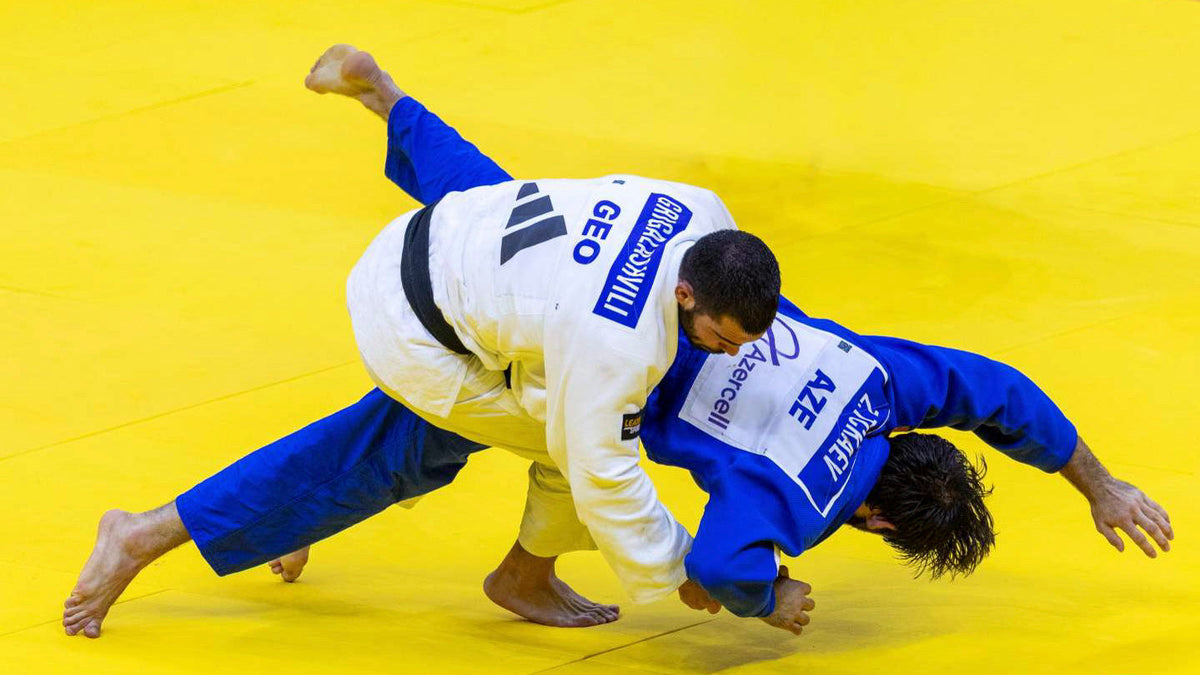
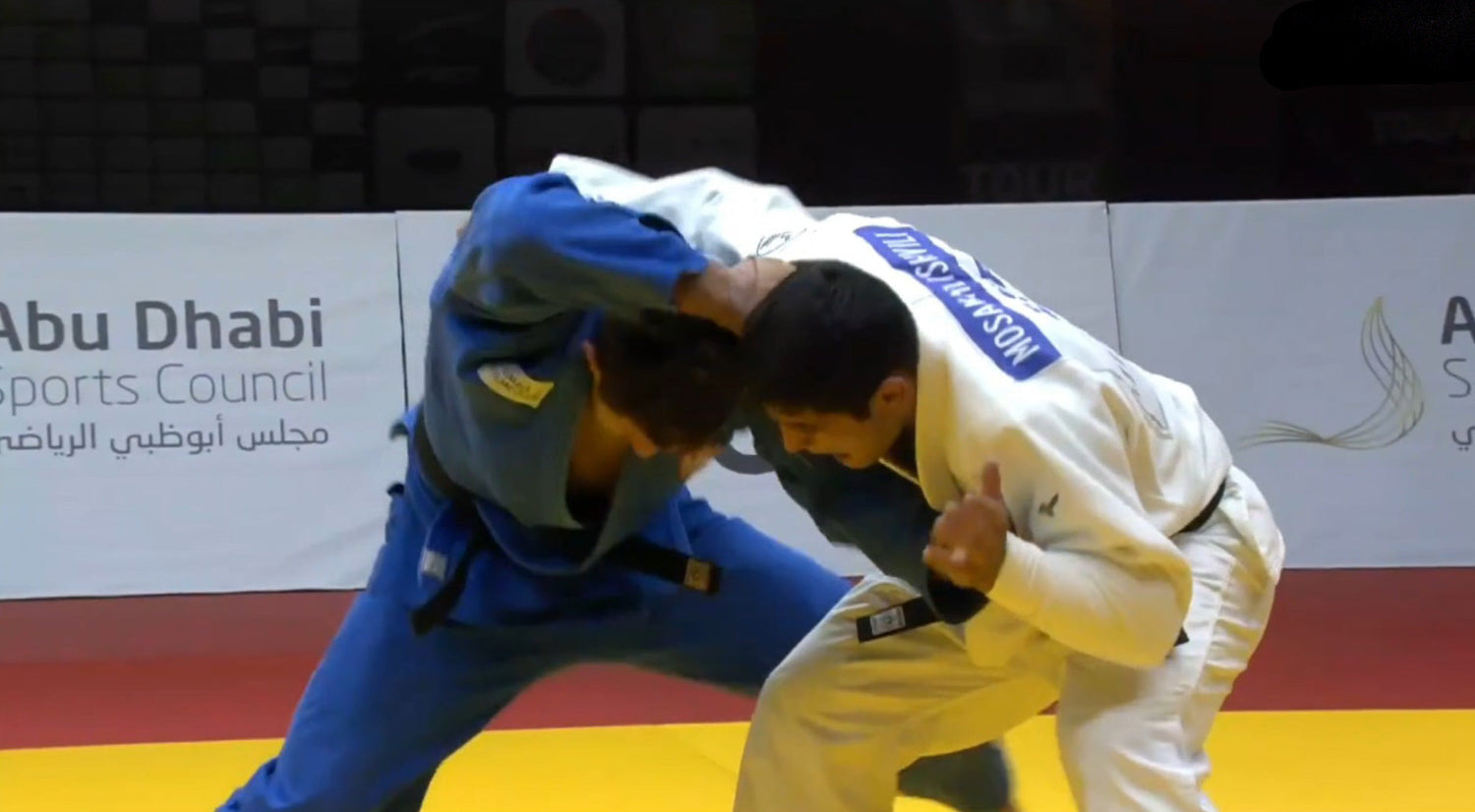
Like Nossov, Majdov takes a cross grip with his right hand (holding onto uke's right lapel) and with his left hand, he takes a grip on uke's left sleeve. From there, he does the takedown, which some have referred to as sumi-otoshi.
In the Nossov-Tomouchi match, the Japanese live commentator called it sumi-otoshi. In the Majdov example in the video clip (above), IJF's live commentator Neil Adams calls it sumi-otoshi/kata-guruma.
The truth is, it's very hard to classify it. One thing's for sure, it's not classical and does not really resemble anything classical. That said, calling it a sumi-otoshi is not wrong as it is very much a tewaza where uke is thrown towards his back. But uke does kind of fall onto tori's shoulders before being thrown over, so kata-guruma is not wrong either.
Perhaps it's easier to just call it the Majdov Takedown. If you say that, everybody knows what you are talking about. But if we want to give the pioneer of this technique his proper due, perhaps we should call it the Nossov Takedown.